DUKAI
The Kitchen

Dough · flour · time

Pizza &
Fermentation

A working school of pizza: Roman crispness, Neapolitan softness, flour strength, direct doughs, poolish, biga and the judgement that only repetition teaches.

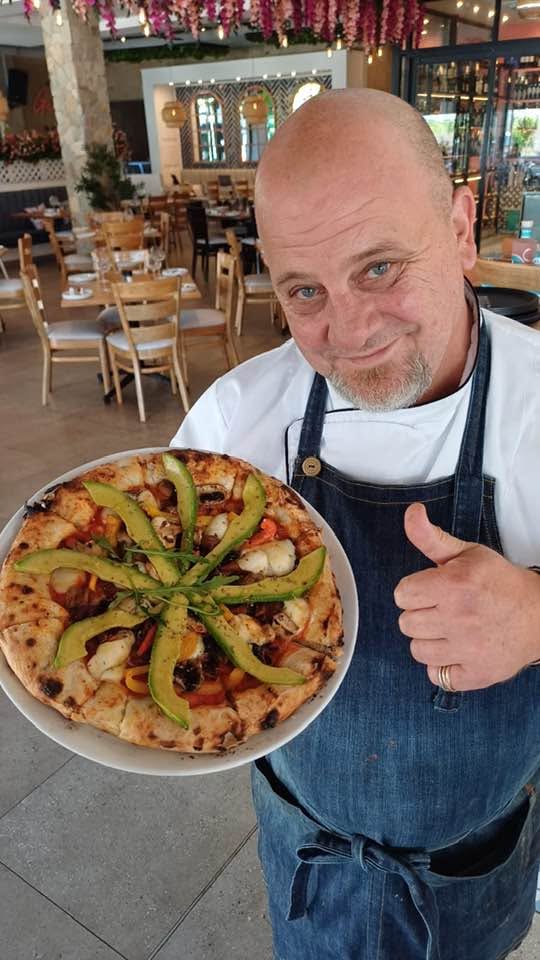
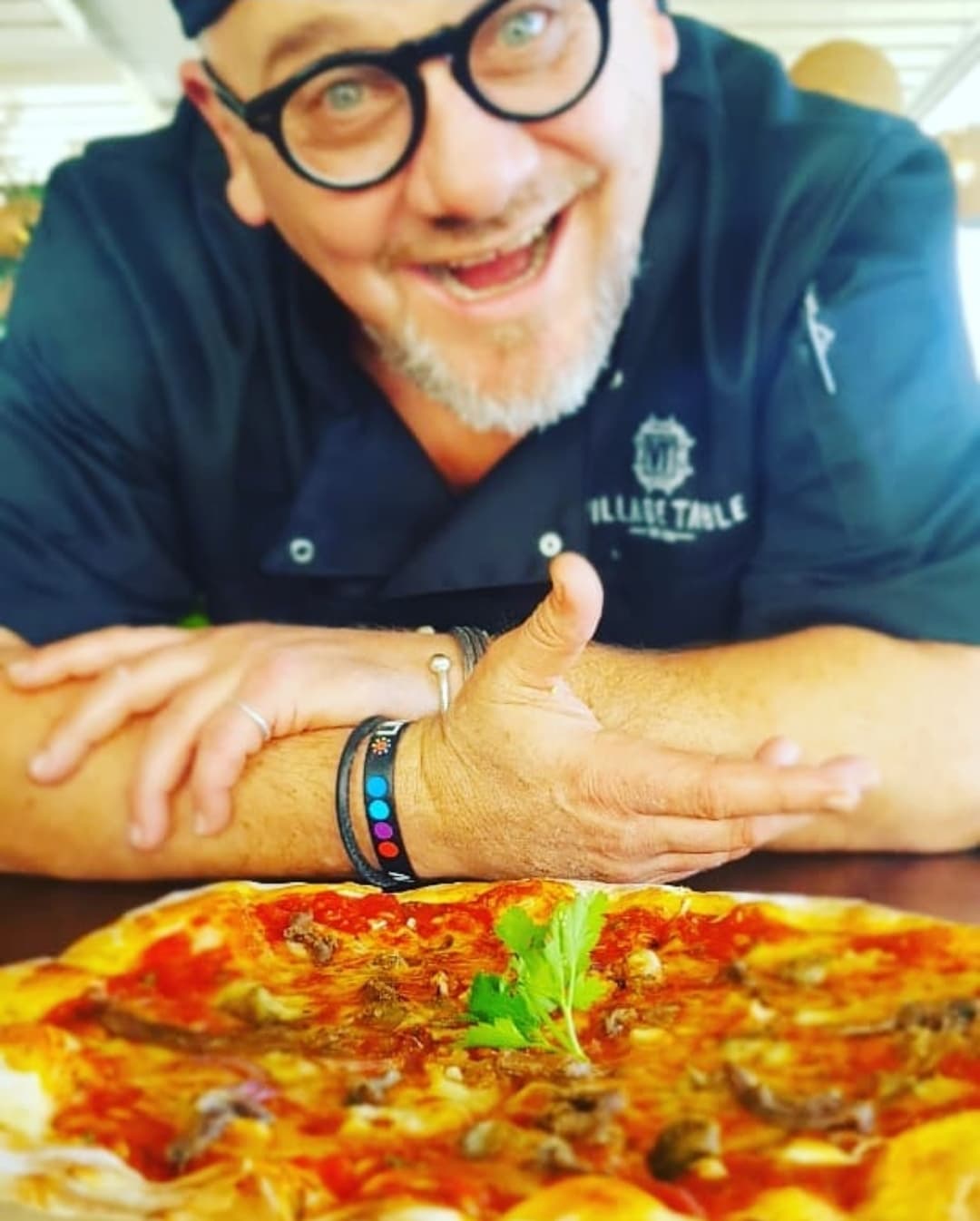
Chef Paul Dukai with a pizza at The Village Table

A lifetime of pizzas

Not one pizza. A family of techniques.

Pizza changes when flour, water, fermentation, shaping and oven temperature change. That is why this page does not chase one fashionable look. It compares styles and teaches the reasoning behind them, so you can decide whether you want crispness, tenderness, an open crumb, a thin base or a dramatic cornicione.

The film below is dedicated to a Roman-style round pizza with a flatter, more restrained edge. That is different from the very inflated rim associated with contemporary Neapolitan or canotto pizza. Classic Verace Pizza Napoletana is its own standard again.

The films

Pizza Romana in motion.

Two working films from the archive, side by side: the Roman-style dough and bake, followed by another hands-on pizza process from the kitchen.

Film 01

Pizza Romana.

Film 02

Pizza Romana · process film.

Styles

Know what you are trying to make.

Thin, crisp, restrained

Tonda Romana

The Roman round is rolled very thin and baked for a dry, audible crunch. The rim stays modest rather than ballooning. A practical reference formula sits around 55 to 58% hydration with a small amount of olive oil.
Roman tray and bakery styles

Pizza Bianca / al taglio

A different Roman branch: higher hydration, airy crumb, crisp base and a rectangular format that is cut rather than served as an individual round.

Soft, fragrant, fast baked

Verace Napoletana

The AVPN standard uses a direct dough with flour, water, salt and yeast only. The classic cornicione is raised but restrained, with a soft center and a very fast bake.

Large, highly aerated rim

Contemporary / canotto

Modern Neapolitan practice often pushes hydration, fermentation and shaping toward a much more inflated cornicione. It is a different target from the Roman pizza in the film on this page.

Flour

Read the flour, not just the bag.

“00” and “0” describe refinement and milling classification, not how strong a flour is. Two 00 flours can behave very differently. Protein tells you how much gluten-forming potential is present; W tells you how much work the dough can withstand; P/L describes the balance between resistance and extensibility.

W 180 to 240

Shorter fermentation, crisp and lower-hydration doughs

Useful when you do not need the flour to carry a long fermentation or very high hydration.

W 240 to 300

Classic pizza, direct doughs, medium fermentation

A broad working range for many traditional doughs. One widely used Neapolitan pizzeria flour, for example, is W 260 to 280 with 12.5% protein.

W 300 to 360

Longer fermentation, preferments, higher hydration

More tolerance for poolish, biga and extended cold fermentation when the process demands greater strength.

W 360+

Very strong flour, long schedules and demanding doughs

Not automatically better. Strength must match time, hydration and the texture you want, otherwise the dough can become unnecessarily tenacious.

Protein

Higher protein generally gives more gluten-forming potential. King Arthur, for example, lists 11.7% for its all-purpose flour and 12.7% for its bread flour.

W strength

W is a performance measurement, not the same thing as protein. One widely used pizzeria flour is 12.5% protein at W 260 to 280; a strong American-style flour from the same mill is 14.25% at W 360 to 380.

P/L

P/L describes the relationship between tenacity and extensibility. Many purpose-built pizza flours sit around 0.45 to 0.60, giving useful strength without fighting the pizzaiolo during opening.

Fermentation

Direct, poolish or biga?

Direct dough

Everything goes into one dough. It is the cleanest way to understand flour and fermentation because there is nowhere for technique to hide.

Poolish

A wet preferment, commonly 100% hydration. It incorporates easily, develops aroma and can shorten the final mix. Ooni notes that poolish often contains 30 to 50% of the total flour.

Biga

A stiffer Italian preferment. It ferments more slowly and can bring a nutty aroma, strength and complexity. Stronger flour becomes especially useful as the schedule and hydration increase.

Teaching recipes

Four doughs worth understanding.

These are reference formulas for learning. Fermentation time is never independent of flour, yeast dose and temperature, so use the clock together with the dough itself.

Roman round

Tonda Romana · thin and crisp

Ingredients

  • 452 g Tipo 00 flour
  • 254 g water · 56% hydration
  • 9 g fine sea salt
  • 5 g extra-virgin olive oil
  • 0.7 g active dry yeast
  • Yield: 4 × approximately 180 g dough balls

Method

  1. 01Dissolve the yeast in part of the water with a small amount of the flour and leave it briefly to activate.
  2. 02Add the remaining water and flour. Mix until no dry flour remains, then work in the salt and olive oil.
  3. 03Knead until smooth and elastic. Keep this dough firm; Roman tonda is deliberately lower hydration than many modern Neapolitan doughs.
  4. 04Cold ferment for roughly 20 hours, divide and ball, then allow the dough to relax before opening.
  5. 05Roll very thin, about 2 to 3 mm. Top lightly. A restrained topping load helps the base stay crisp.
  6. 06Bake on a thoroughly preheated stone or steel. The hotter the home oven, the better; professional Roman formulas commonly use a longer bake than Neapolitan pizza to build crispness.
Reference: Napo · Tonda Romana

Wet preferment

Poolish pizza dough

Ingredients

  • Poolish: 350 g 00 flour
  • Poolish: 350 g water
  • Poolish: 2 g instant dry yeast
  • Final dough: 700 g 00 flour
  • Final dough: 280 g water
  • Final dough: 30 g sea salt
  • Yield: 6 × approximately 285 g dough balls, about 1.7 kg of dough in all

Method

  1. 01Mix the poolish until the flour is completely incorporated. Cover and ferment for 12 hours.
  2. 02Add the final-dough water to the poolish. Combine the remaining flour and salt separately, then mix them into the liquid.
  3. 03Mix on medium-low speed until a cohesive dough forms.
  4. 04Rest for 2 hours, divide into six balls, then refrigerate overnight for the next day.
  5. 05For a same-day schedule, allow the balls to ferment at room temperature for roughly 4 to 6 hours, watching the dough rather than relying only on the clock.
Reference: Ooni · Biga vs Poolish

Stiff preferment

100% biga pizza dough

Ingredients

  • Biga: 1000 g strong bread or 00 pizza flour
  • Biga: 540 g lukewarm water
  • Biga: 1.3 g instant dry yeast
  • Final dough: 100 g room-temperature water
  • Final dough: 80 g iced water
  • Final dough: 22 g sea salt
  • Optional: 22 g diastatic malt powder
  • Yield: about 7 × 250 g dough balls

Method

  1. 01Mix the biga only until the flour is hydrated and the mixture forms rough, dryish clumps. Do not try to make it a smooth finished dough.
  2. 02Ferment the biga for about 16 hours.
  3. 03Break the biga into the mixer and slowly incorporate the salted room-temperature water.
  4. 04Add the optional diastatic malt, then slowly add the iced water while the dough develops.
  5. 05Rest the finished dough, cool it, divide and ball. Allow the balls to finish proofing before baking.
  6. 06This is a demanding dough. Use strong flour and control final dough temperature so the gluten does not collapse before the bake.
Reference: Ooni · 100% Biga

Direct dough · AVPN

Verace Pizza Napoletana · official master formula

Ingredients

  • 1000 g water
  • 1600 to 1800 g flour, Tipo 00 or 0
  • 40 to 60 g salt
  • 0.1 to 3 g fresh brewer's yeast depending on temperature, humidity and timing
  • Dry yeast: one-third of the fresh-yeast quantity
  • No added fat and no added sugar

Method

  1. 01Start with the water. Dissolve the salt, add about 10% of the flour, then introduce the yeast and gradually add the remaining flour.
  2. 02Mix to a compact, coherent dough without overheating it.
  3. 03Rest, divide and ball by hand. AVPN specifies 200 to 280 g dough balls depending on the finished pizza diameter.
  4. 04Use a total fermentation and maturation window of 12 to 24 hours, adjusted to flour, temperature and humidity.
  5. 05Open by hand without a rolling pin, preserving the edge so the cornicione can form.
  6. 06Bake directly on the oven floor. AVPN specifies approximately 380 to 430°C at the base, about 485°C at the dome and a 60 to 90 second bake.
Reference: Associazione Verace Pizza Napoletana · 2024 regulations

Paul’s pizza archive

A lifetime is more useful than a trend.

Some of these pizzas are traditional, some playful, some restaurant work and some experiments. Together they show the point of the page: learn the rules, then understand what happens when you deliberately change them.

Chef Paul Dukai behind a finished pizza
Pizza at The Village Table.
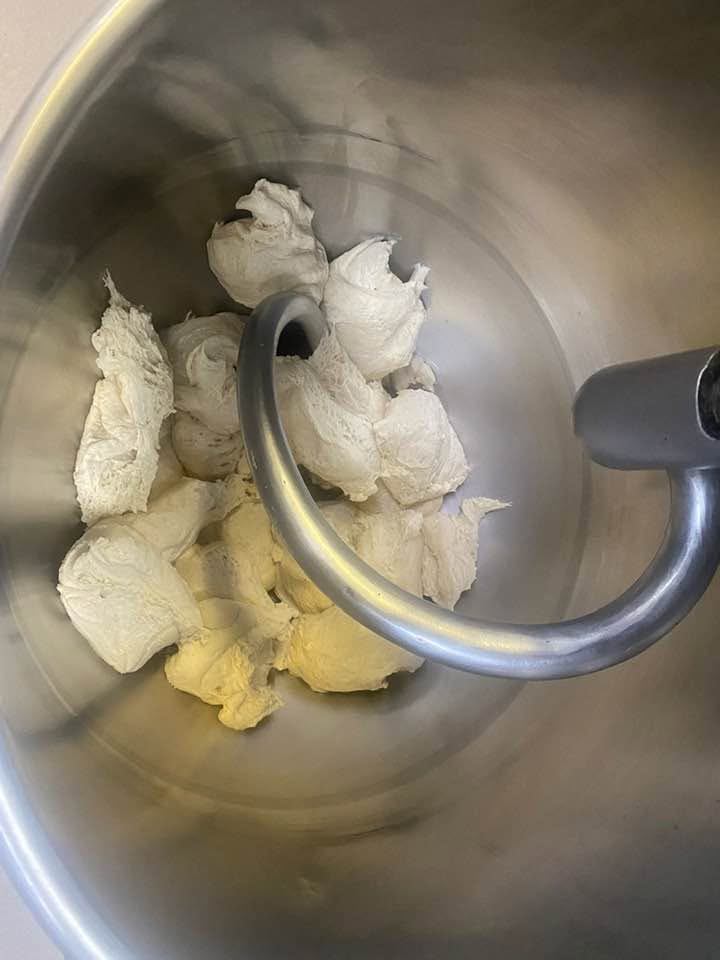
Handmade pizza dough from Chef Paul Dukai's kitchen archive
Dough first.
A finished pizza from Chef Paul Dukai's restaurant archive
A restaurant pie.
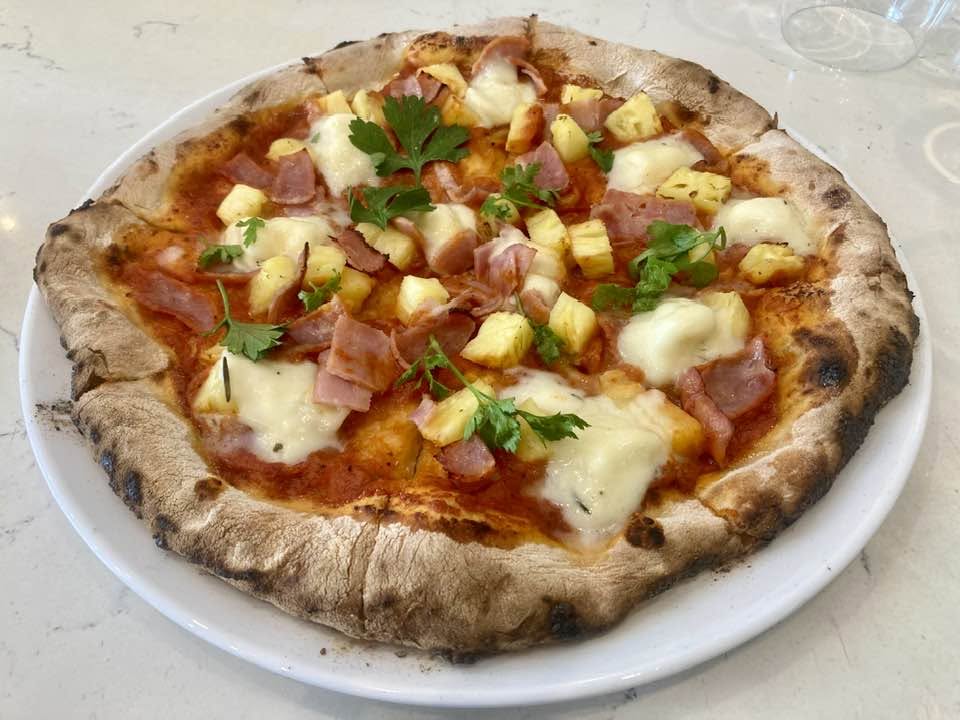
Ham and pineapple pizza from Chef Paul Dukai's archive
Not every pizza needs to be orthodox.
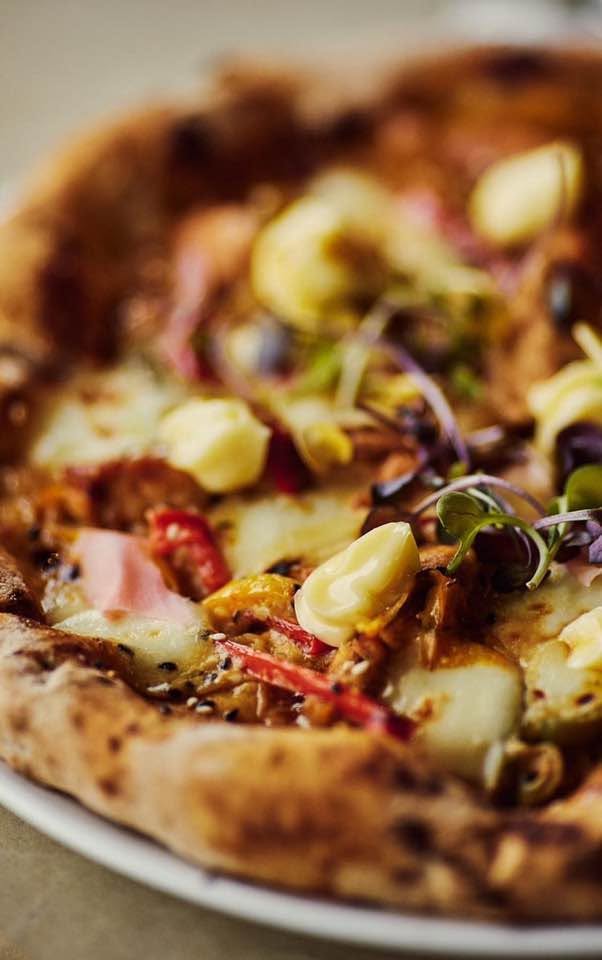
A Japanese-inspired pizza from Chef Paul Dukai's archive
Technique can travel.
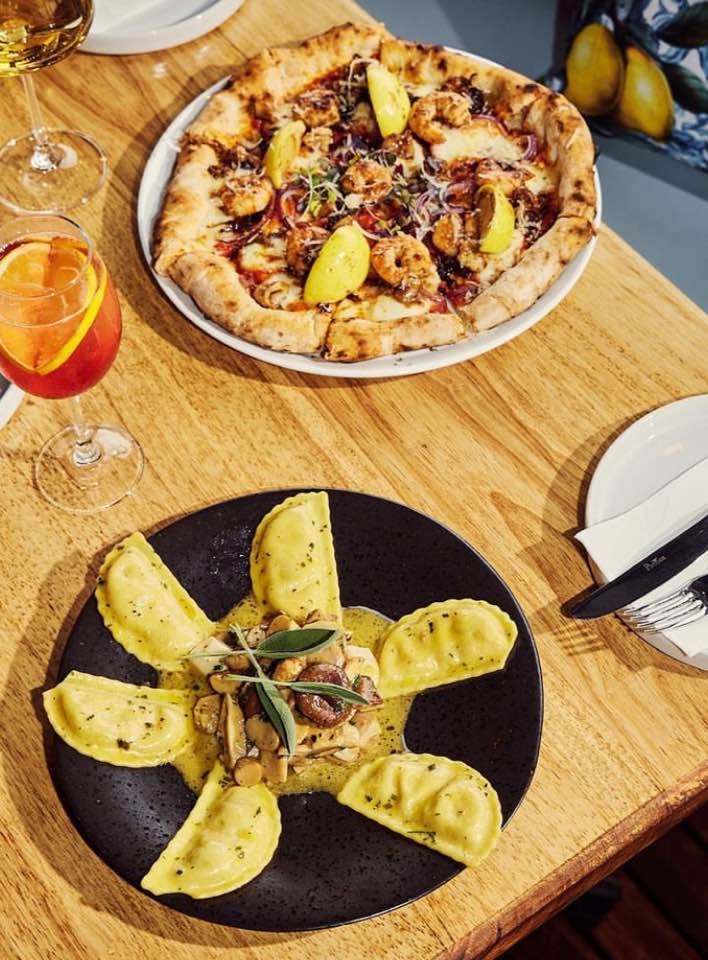
Pizza and ravioli photographed together at Donna
A table of Italian ideas.
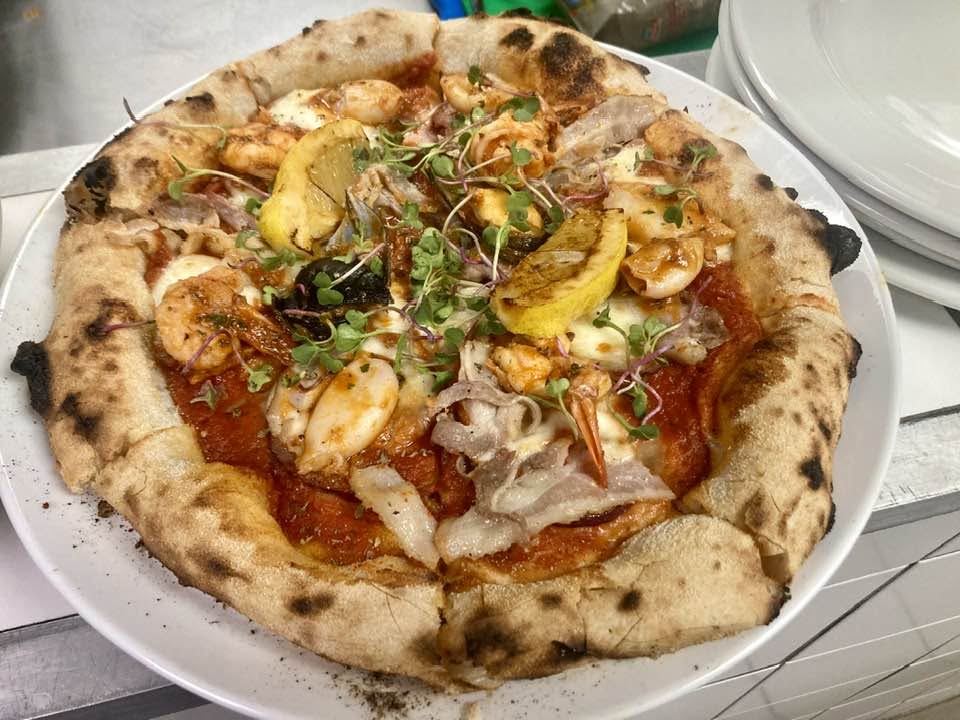
Seafood pizza from Chef Paul Dukai's archive
Seafood on pizza, handled with restraint.
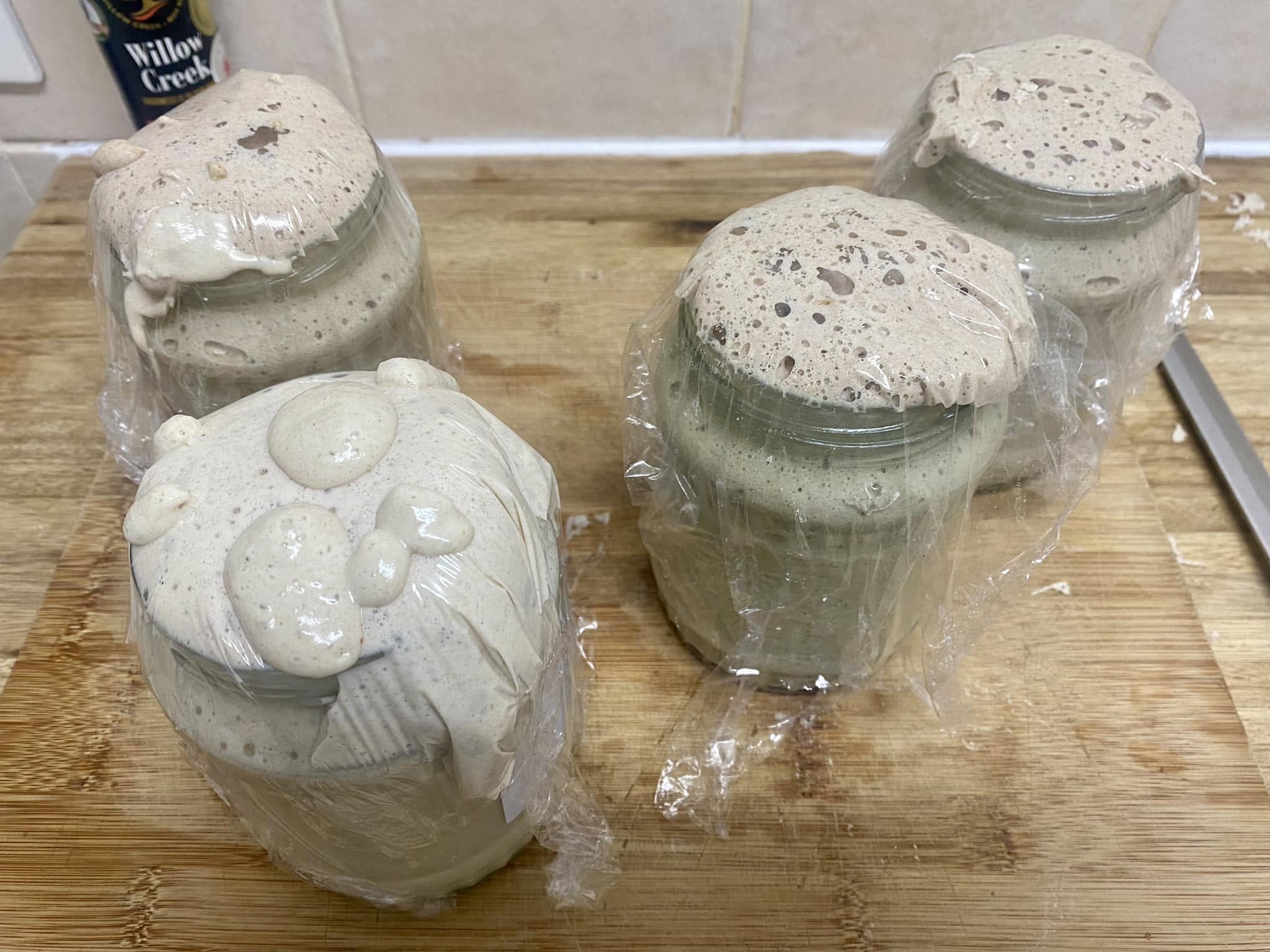
A sourdough starter fermenting in Chef Paul Dukai's kitchen archive
Fermentation is part of the flavour.
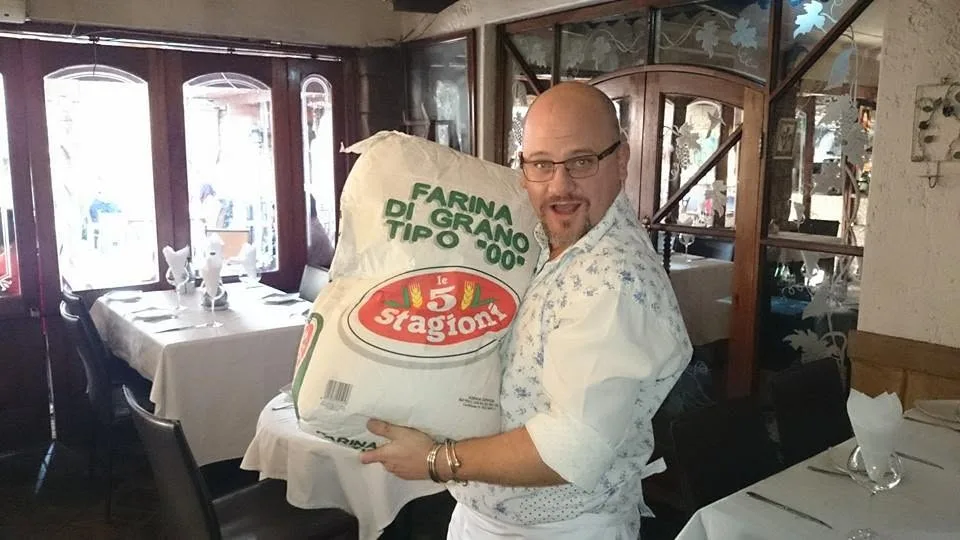
Flour and pizza making from the Villa Paolo archive
Flour is not just flour.
Pizza from the Villa Paolo archive
One chapter in a lifetime of pizzas.
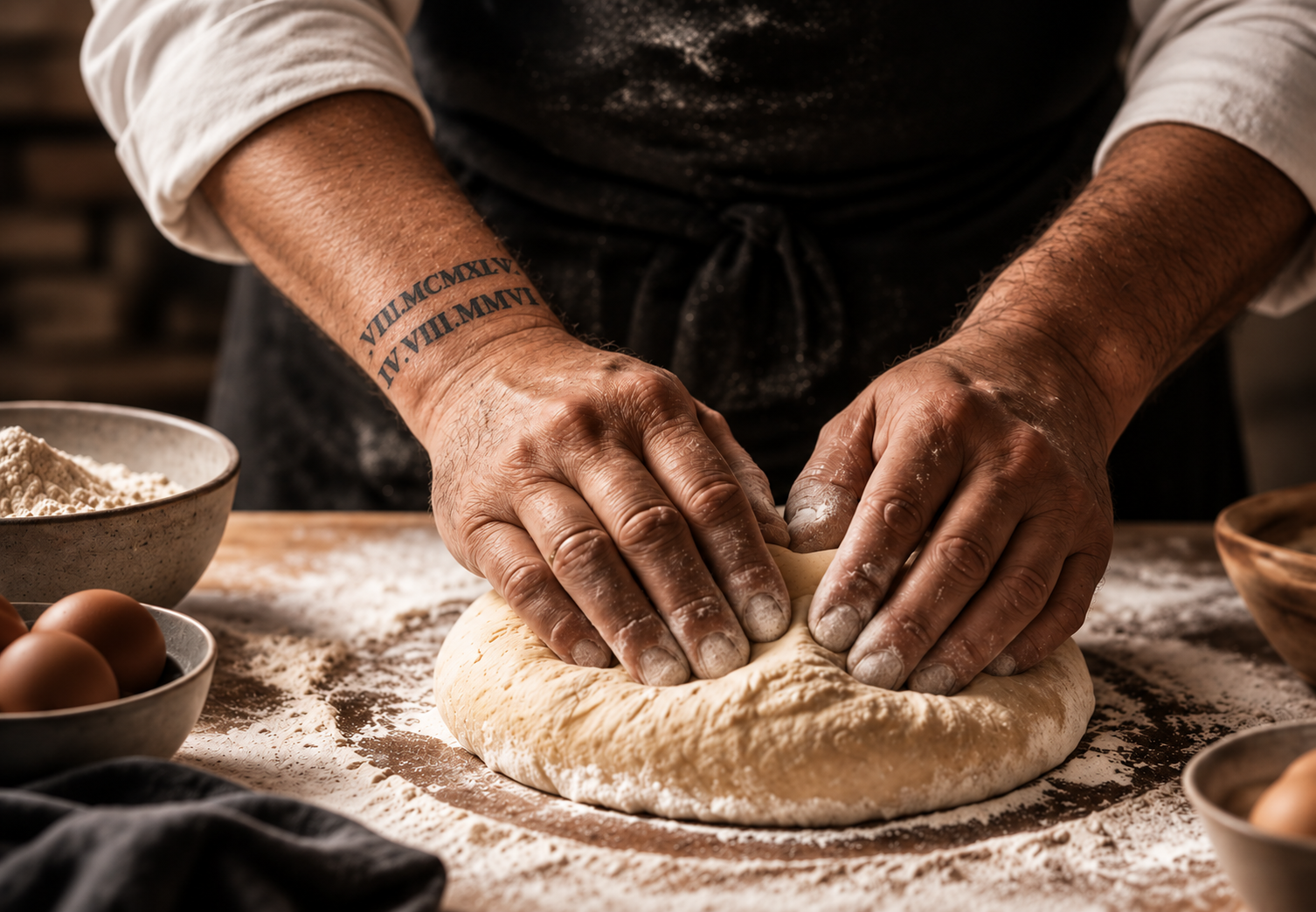
Hands working dough on a floured bench
Learning by touch.

Chef’s development notebook

Two formulas stay private for now.

Two dough recipes developed over years of testing will live behind the existing DUKAI owner login. They can be refined privately in Studio and only moved into the public teaching library when Chef chooses to release them.

Open the private dough notebook