Blood and oxygen
Iron is an essential part of haemoglobin, which carries oxygen from the lungs to tissues, and myoglobin, which supplies oxygen to muscle.
NIH Office of Dietary Supplements: Iron03The Notebook · Ingredients
An evolving collection of ingredients, their character, season, provenance and place in the kitchen.
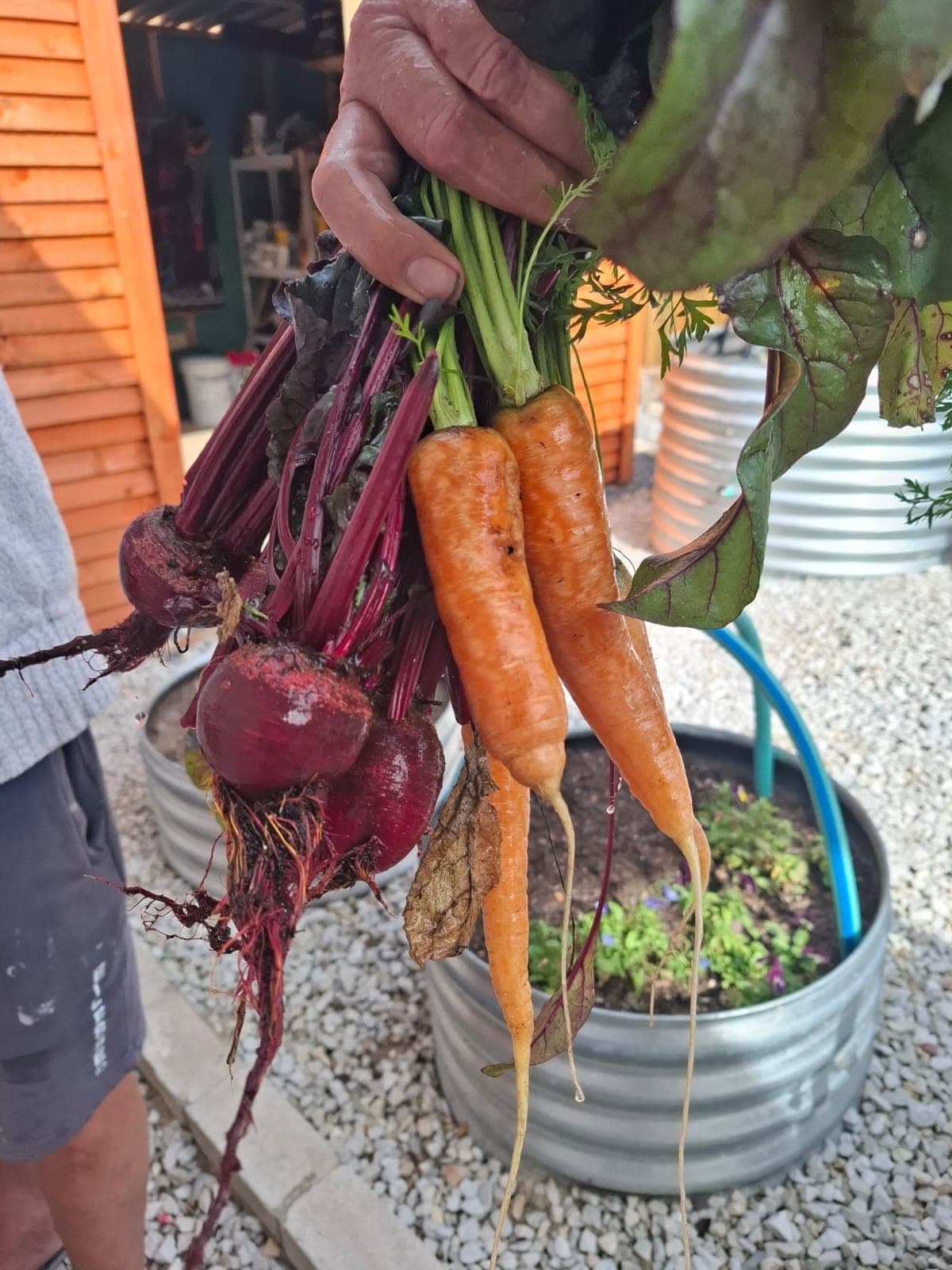
The library
Every profile carries photographs of the ingredient itself, growing, harvested or as it reaches the kitchen, so that it can be recognised before it is cooked. Search by name, browse by family or by letter.
Browse by letter
Categories
Only categories with a published profile are listed. The library is an evolving collection; more ingredients are added as each one is photographed, written and reviewed.
13 ingredients
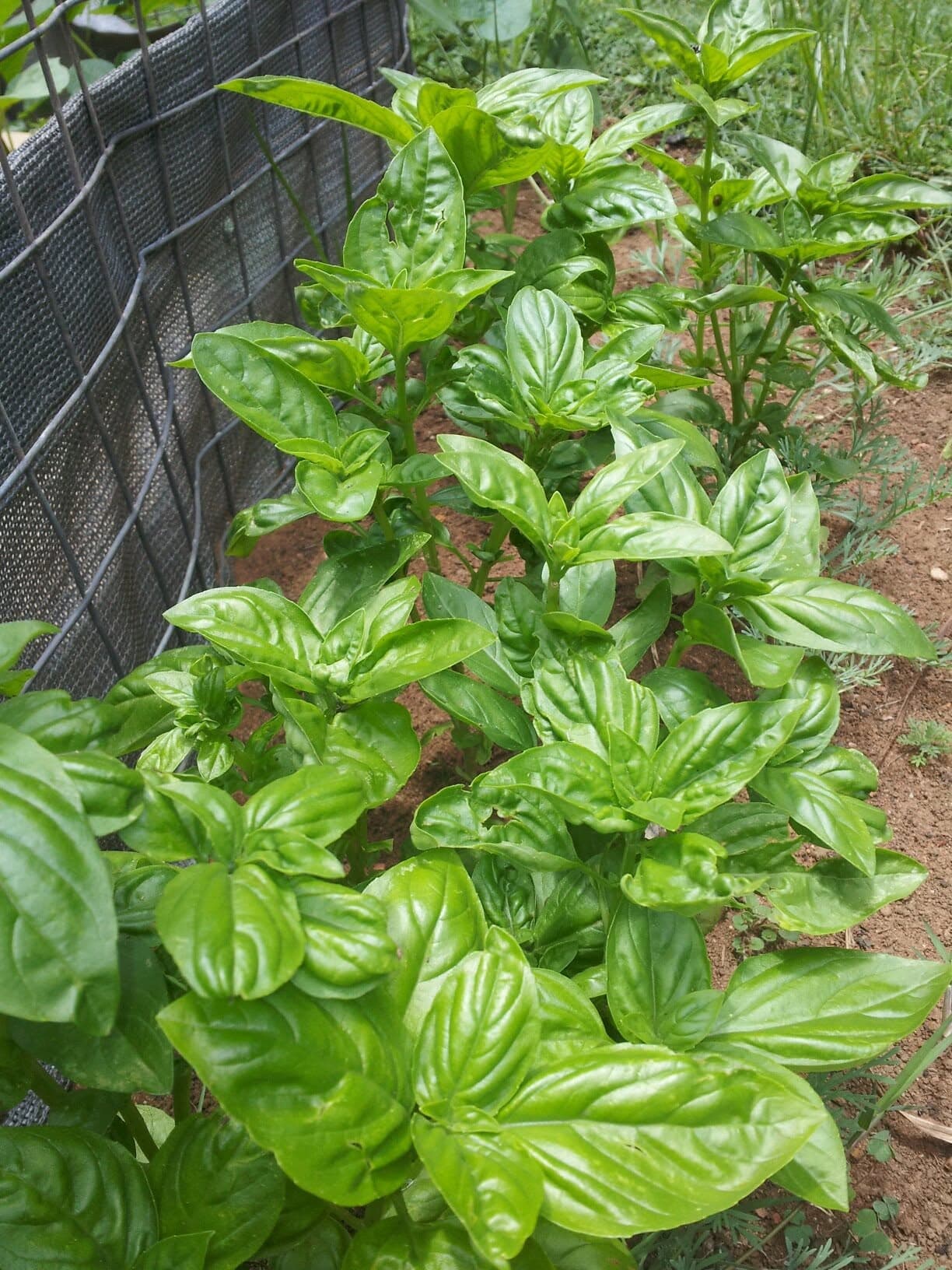
Herbs
Ocimum basilicum
The summer herb of the Italian kitchen: soft, aromatic leaves that belong with tomato, olive oil and bread, and lose their scent the moment they are cooked too long.
Read the profile
Vegetables
Beta vulgaris subsp. vulgaris
An earthy, deeply coloured root that roasts sweet, pickles well and stains everything it touches.
Read the profile
Vegetables
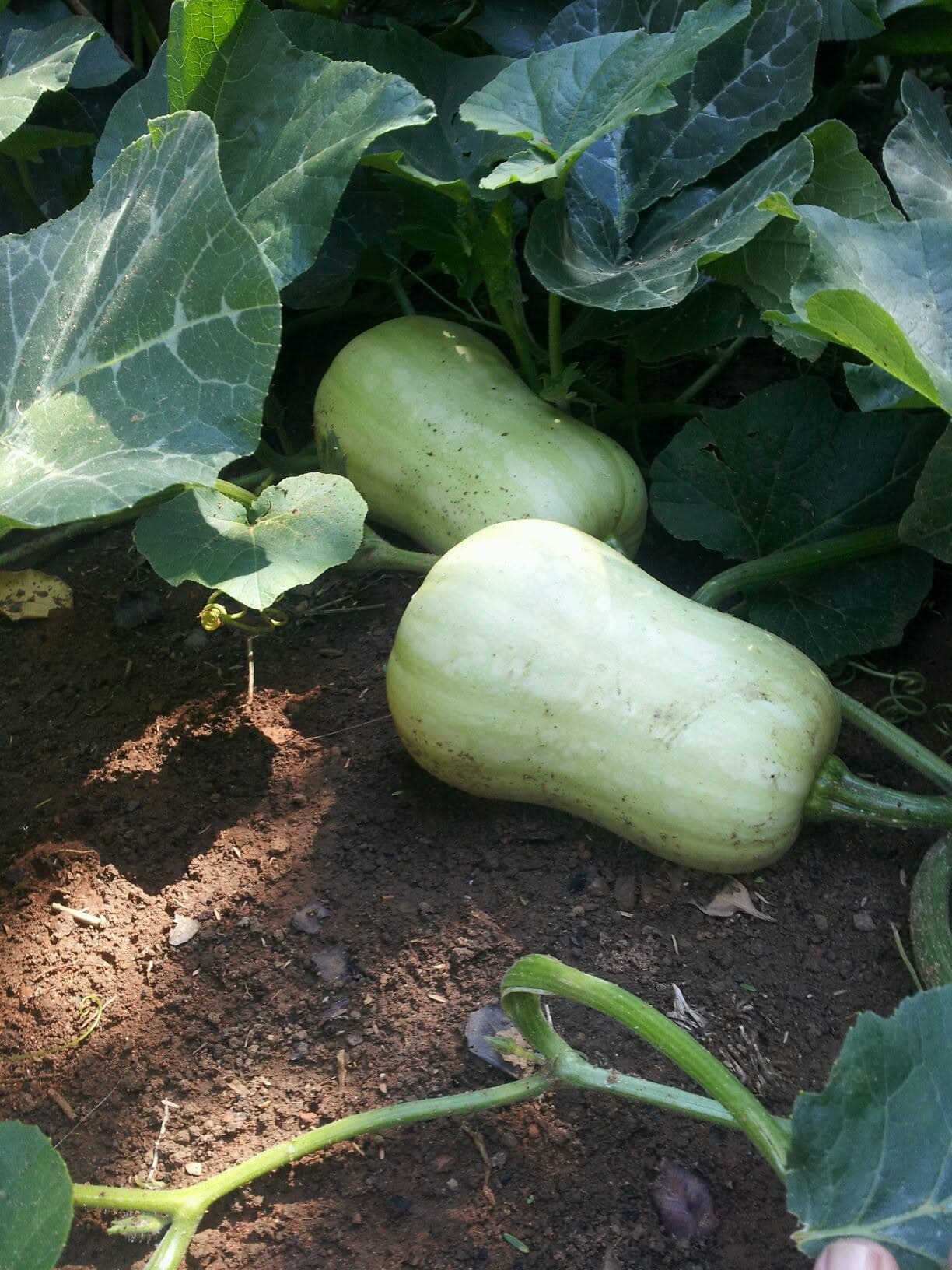
Cucurbita moschata
A pale, bell-shaped winter squash with dense orange flesh that roasts sweet and keeps for months in a cool room.
Read the profile
Vegetables
Daucus carota subsp. sativus
The sweet orange root at the base of stocks, braises and roasting trays, at its best pulled young from loose soil.
Read the profile
Legumes
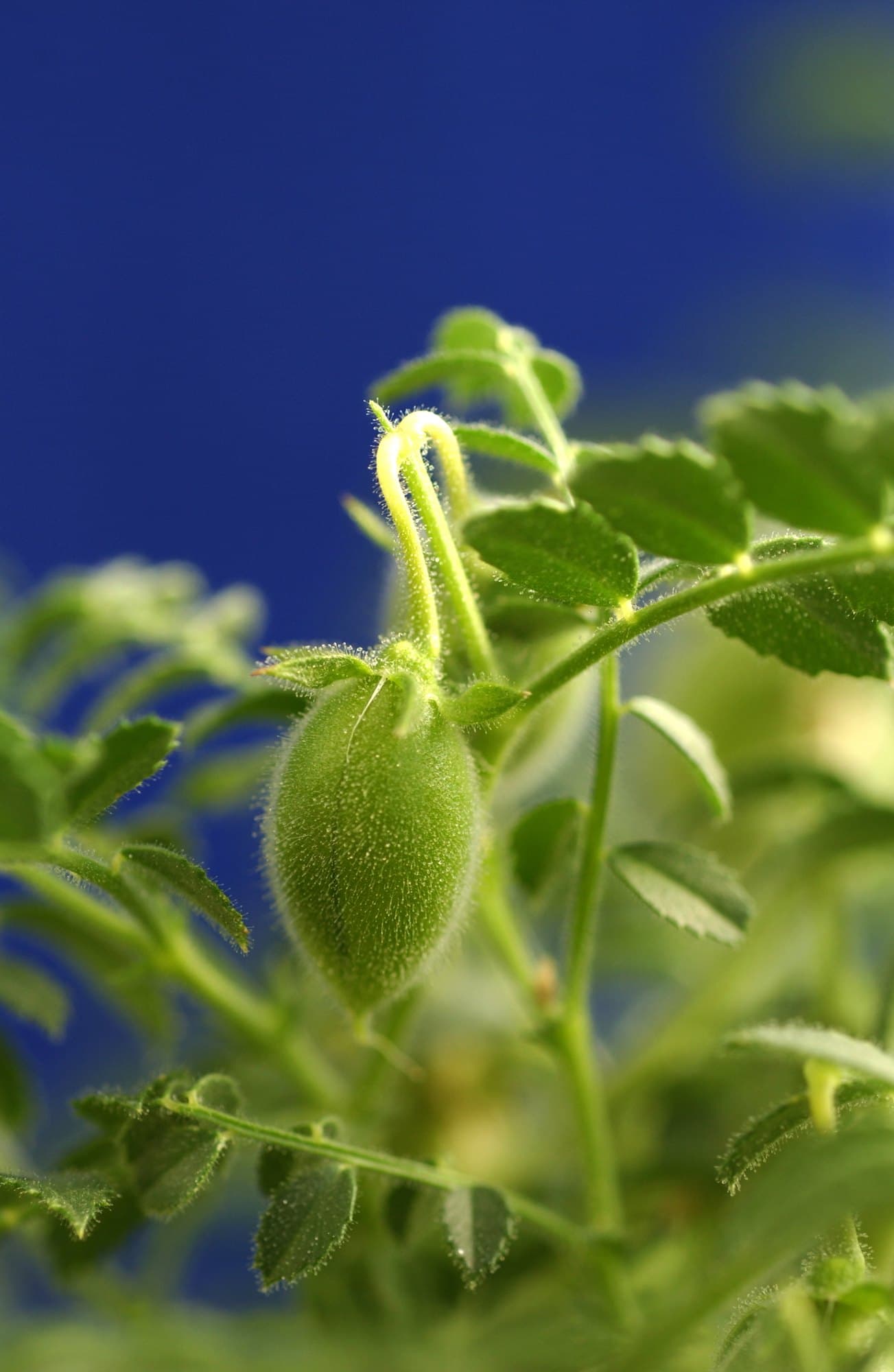
Cicer arietinum
The nutty, firm pulse of hummus, farinata and countless soups: cheap, storable and the backbone of Mediterranean and South Asian cooking.
Read the profile
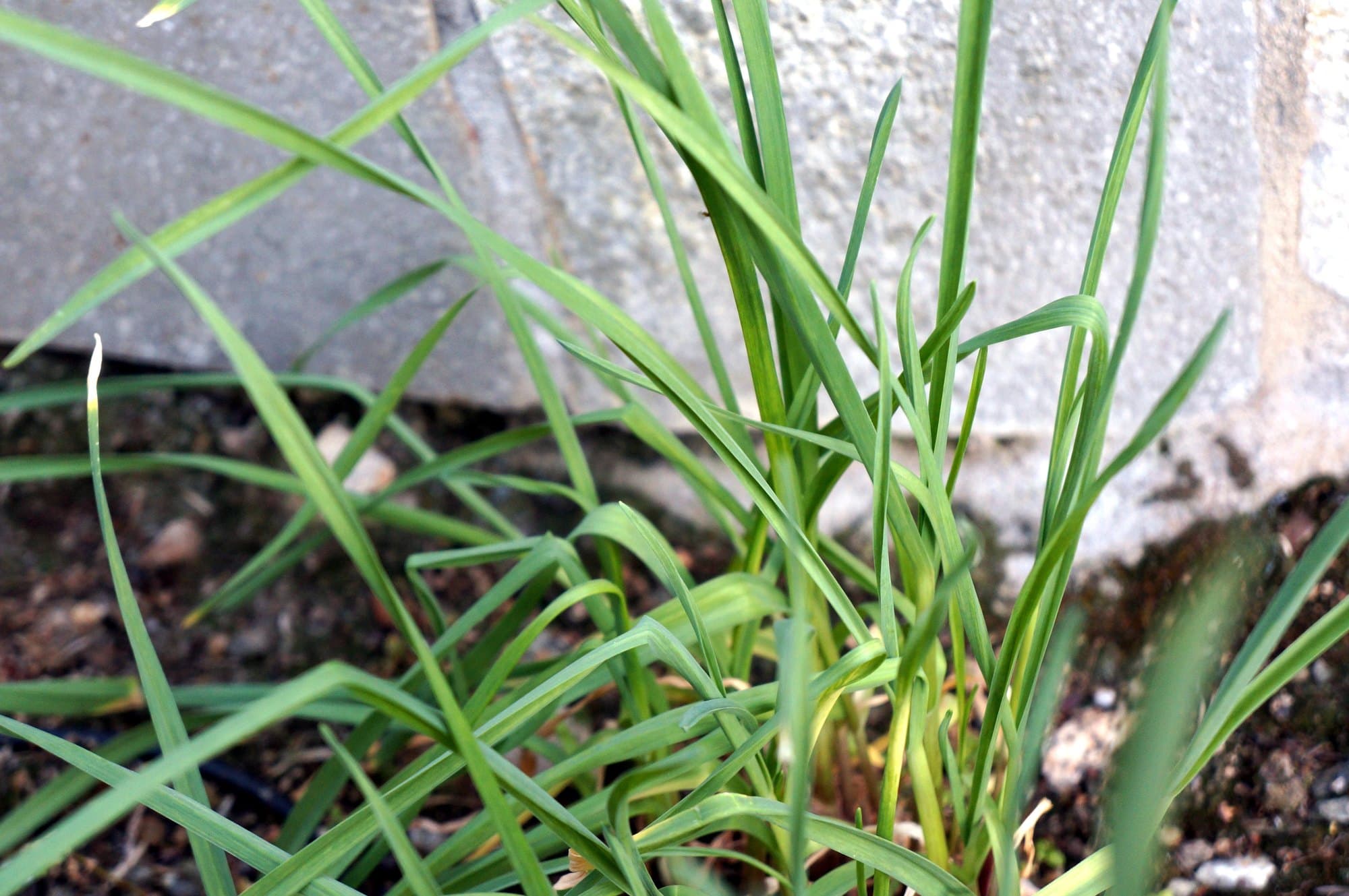
Vegetables
Allium sativum
The bulb that starts most savoury cooking: pungent and sharp raw, sweet and mellow when roasted, and stored dry for months.
Read the profile
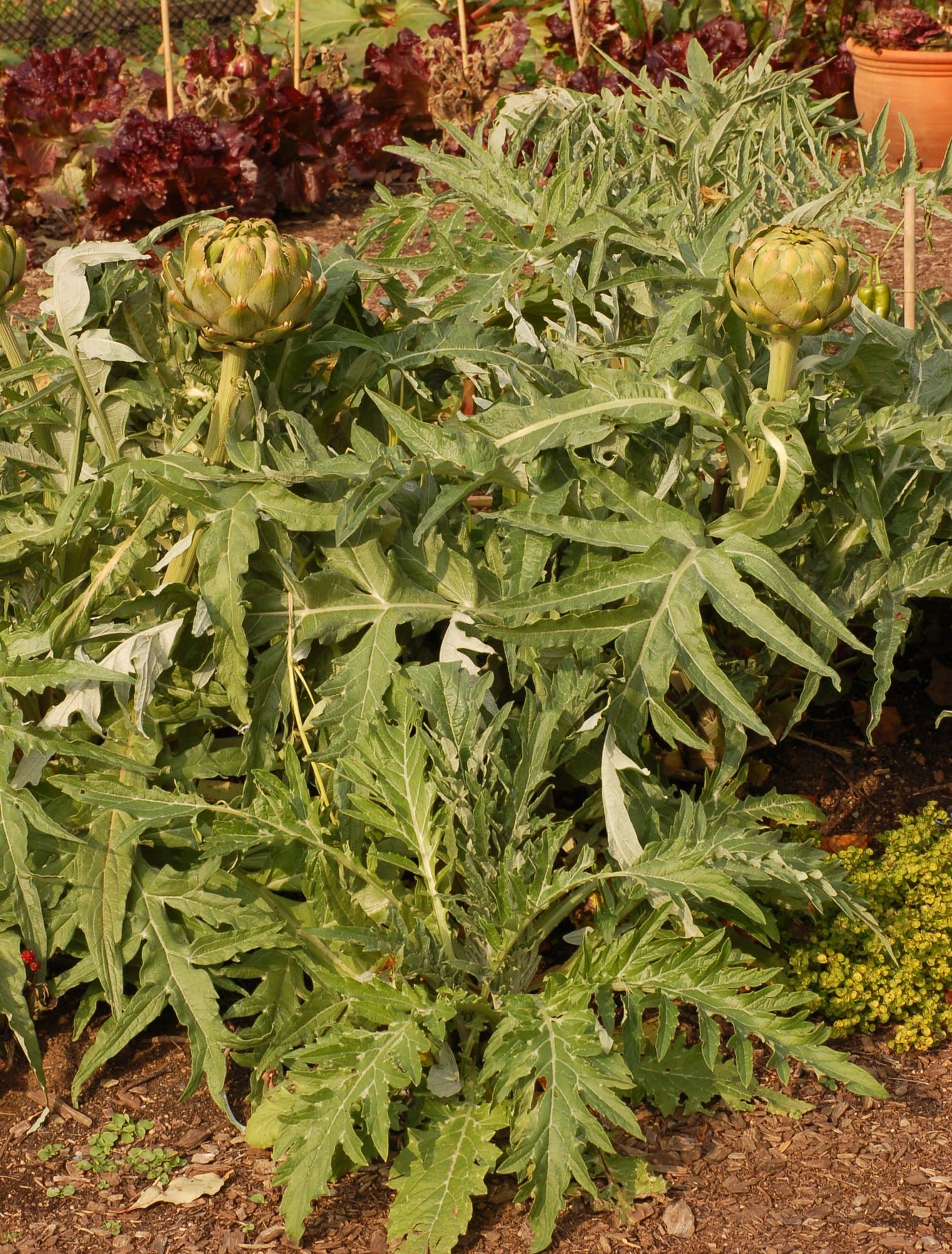
Vegetables
Cynara cardunculus var. scolymus
The unopened flower bud of a giant silver thistle, eaten leaf by leaf down to the heart, and the vegetable most tied to the Roman and Venetian spring.
Read the profile
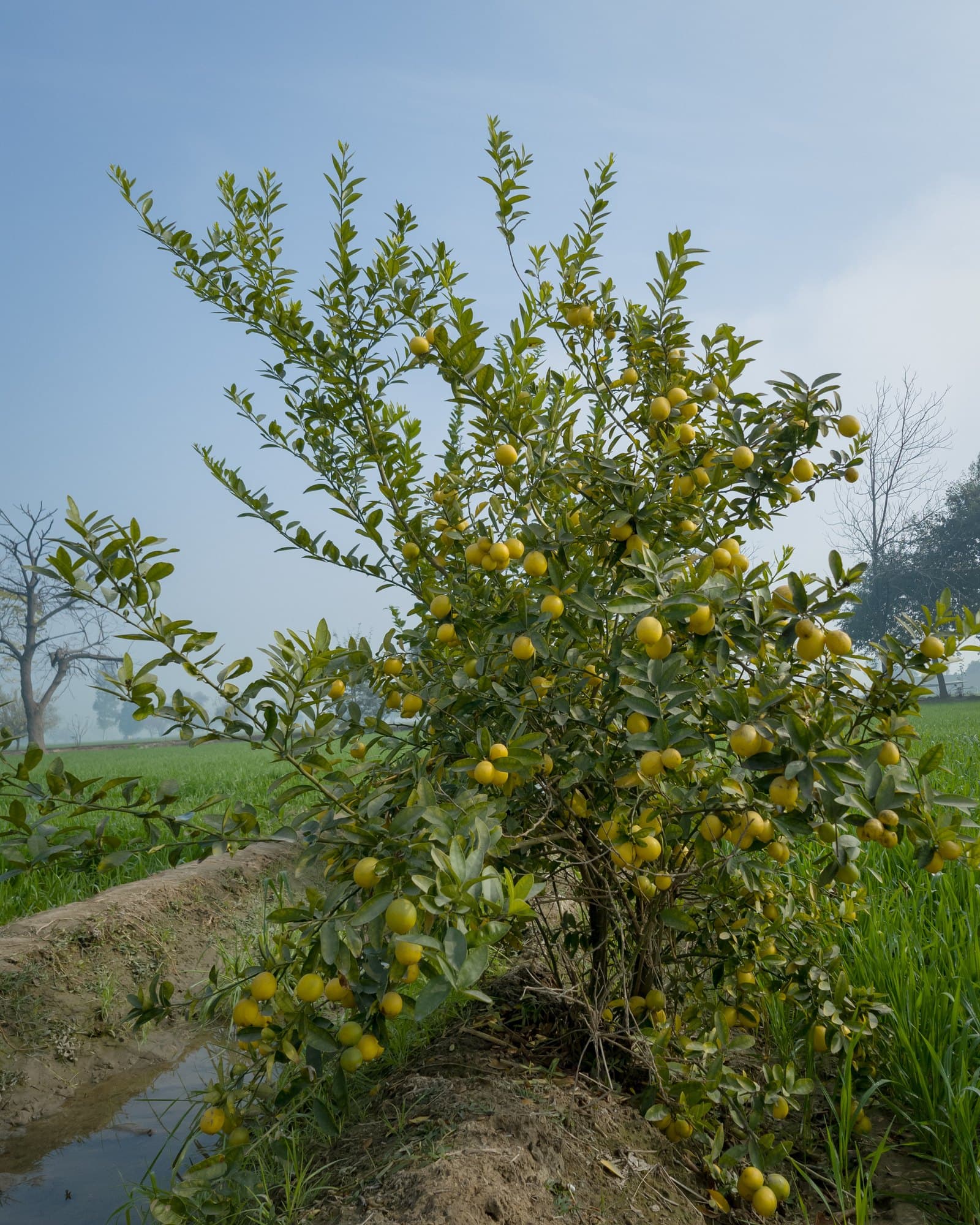
Fruit
Citrus × limon
The kitchen's sharpest tool: juice for acidity, zest for perfume, and the fruit that finishes fish, vegetables and almost everything else.
Read the profile

Seafood
Octopus vulgaris (common octopus) and related species
Eight-armed, tender only when treated with patience: simmered slowly, then charred over coals, it is one of the great dishes of the Mediterranean coast.
Read the profile
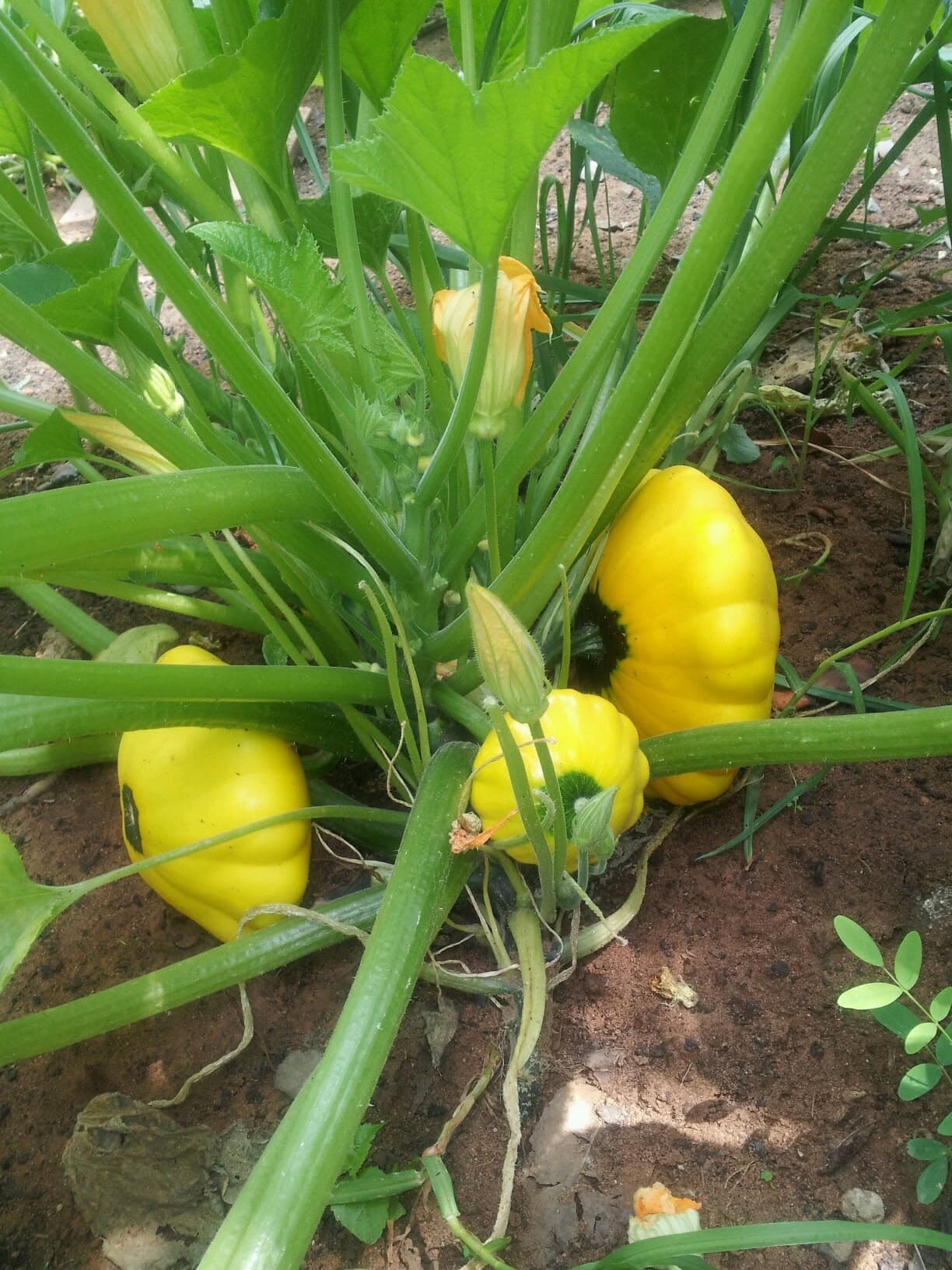
Vegetables
Cucurbita pepo
A small, scalloped summer squash, picked young and tender, with the mild sweetness of a courgette and a prettier shape.
Read the profile
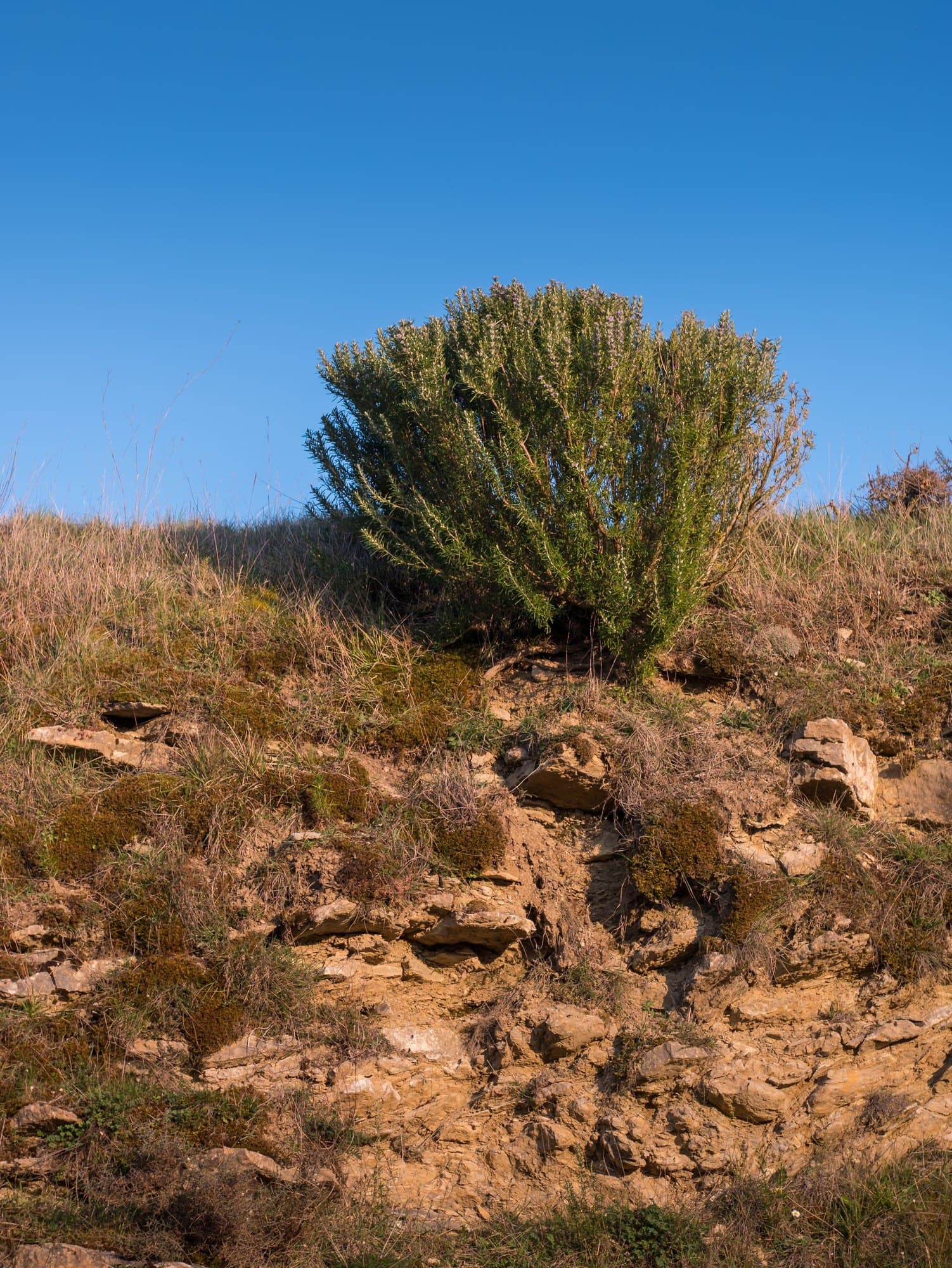
Herbs
Salvia rosmarinus (formerly Rosmarinus officinalis)
Needle-leaved, piney and robust: the evergreen of roast potatoes, lamb and focaccia, and a shrub that thrives on neglect.
Read the profile
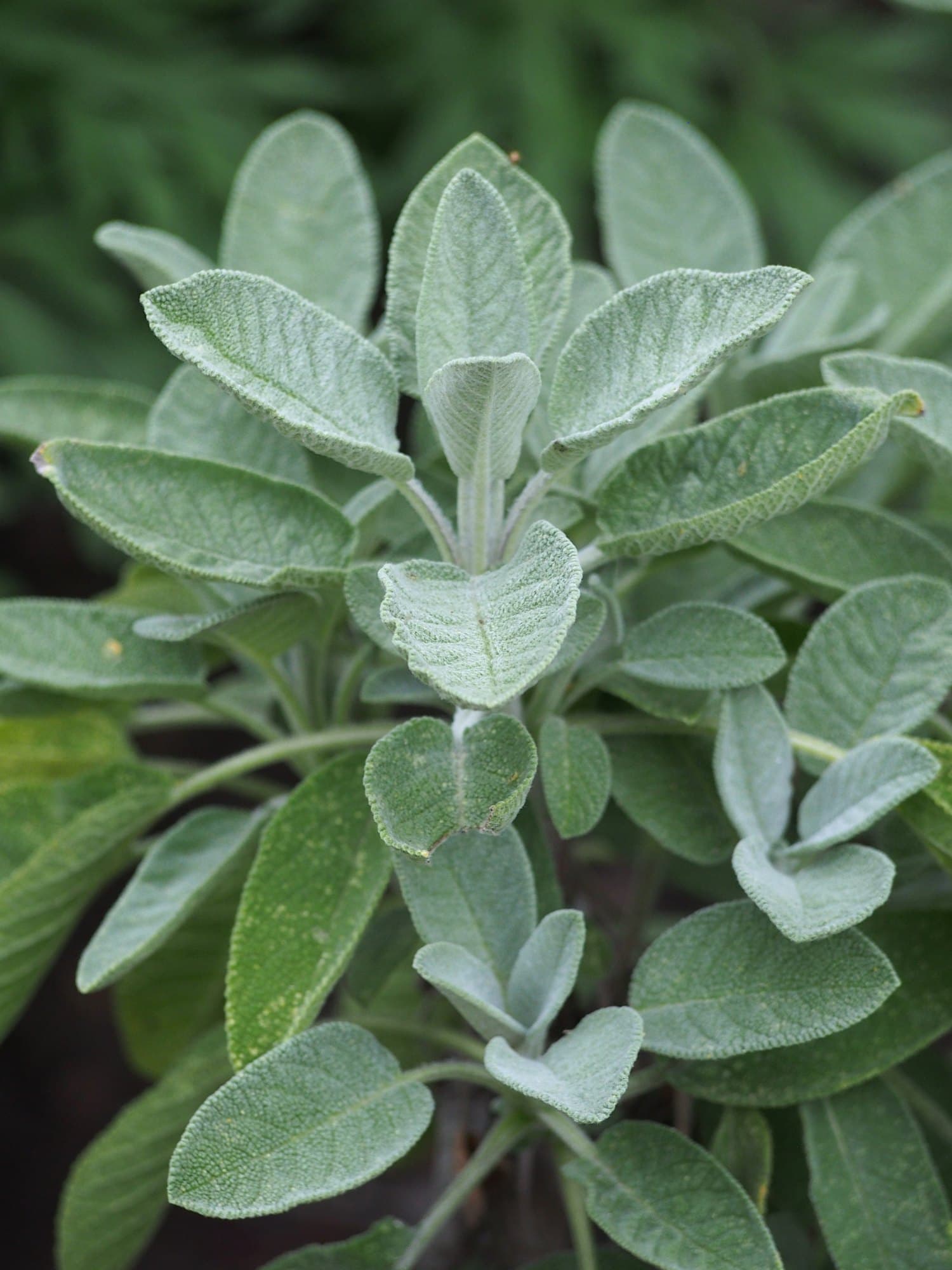
Herbs
Salvia officinalis
Grey-green, velvety leaves with a warm, resinous flavour that belongs with butter, pumpkin, pork and veal.
Read the profile
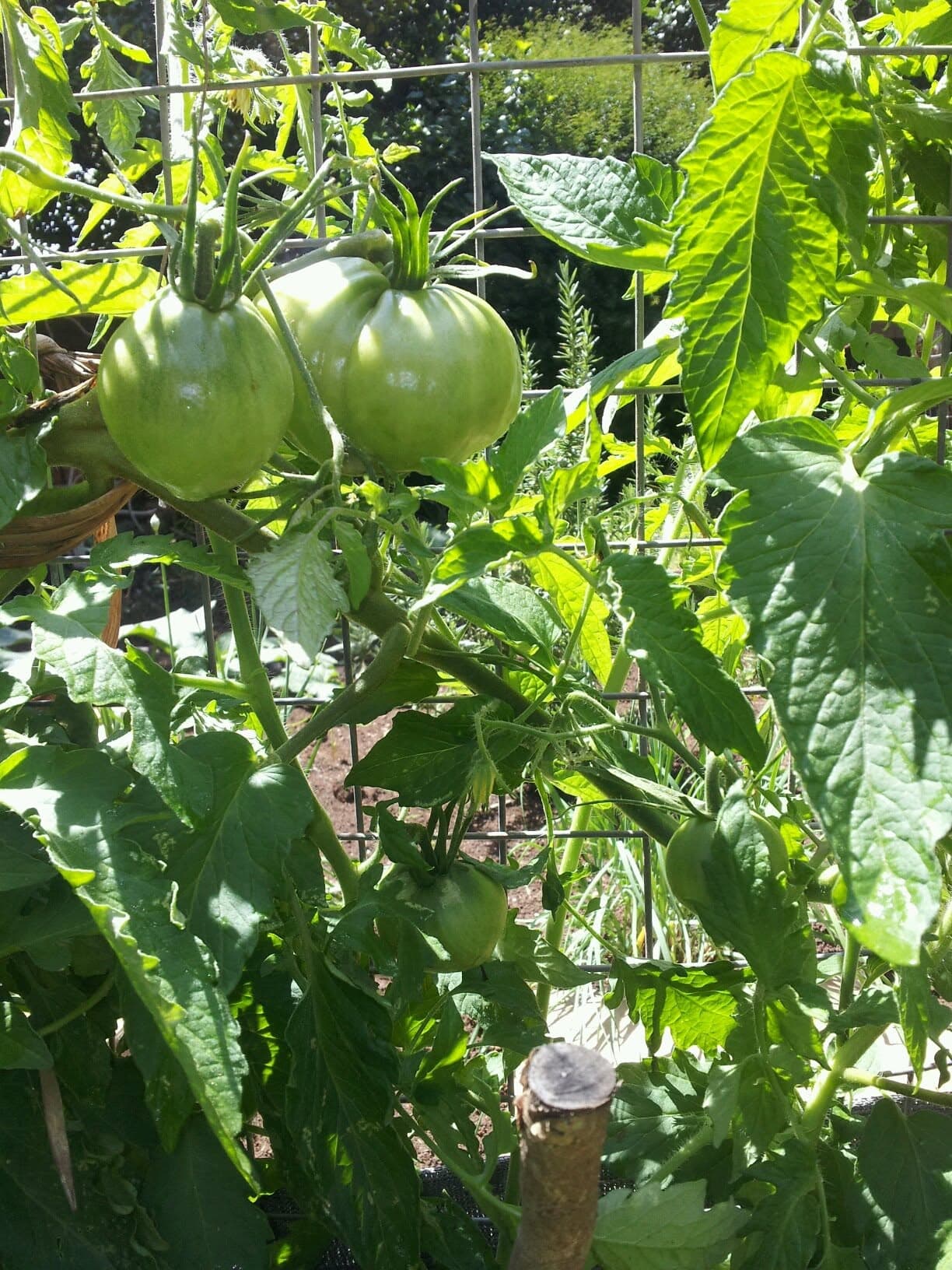
Fruit
Solanum lycopersicum
Botanically a fruit and treated as a vegetable in the kitchen: sweet, sharp and savoury at once, and the backbone of the Italian table.
Read the profile
The families
Every ingredient belongs to one family. All fourteen shelves now open to a practical reference page with pairings, technique, pictures, health evidence, cautions and Recipe Book links. Full individual ingredient profiles continue to be added underneath.
How a profile is written
So that a carrot reads the way a tomato reads, and a cook always knows where to look. A profile is published only when every part is complete, photographed and sourced.
Identity
Common, alternative and botanical names, and the plant family.
How to recognise it
Growth habit, leaves, stem, flower, colour, aroma, texture, distinguishing features and common lookalikes, with identification photographs.
In the garden
Growing conditions, season, the part that is harvested and how to tell when it is ready.
In the kitchen
Flavour, aroma and texture, edible parts, preparations, techniques and what it pairs with; and where Paul's own cooking on this site uses it.
Selection and storage
Choosing, keeping and preserving.
Nutrition and evidence
Nutrition, traditional use and current research, each statement labelled by evidence level and numbered to a source.
Safety and cautions
Allergy, interactions, unsafe parts and the difference between culinary quantities and concentrated preparations.
Sources and review
Every source listed, the review date, and where each photograph came from.
Tradition and evidence
Ingredients carry long traditions of use. The library records those traditions, and separately records what research has looked at and what it has actually established, so one is never mistaken for the other.
Where people ask what an ingredient is good for, which body system it supports or whether a remedy really works, the answer is tied to the evidence, the dose and the preparation actually studied.
Established nutritional fact
Measured nutrient composition and accepted physiological function. This tells us what a nutrient does in the body, not that one food cures a disease.
Supported by human research
Human clinical trials or strong human evidence support a defined effect. The exact food, dose, preparation and population are stated.
Early or limited evidence
Small trials, observational studies, conflicting results or evidence that is too early for a firm conclusion. Promising is not the same as proven.
Traditional use, not clinically established
A documented historical or regulated traditional medicinal use. It is recorded as tradition unless modern clinical evidence independently supports it.
This ingredient profile is provided for culinary and general educational purposes. It is not medical advice and does not recommend an ingredient as a treatment. Anyone who is pregnant, managing a medical condition, allergic, or taking medication should consult an appropriate healthcare professional before using concentrated herbal preparations or supplements.
Body systems
These are established physiological functions from government nutrition references. Individual ingredient pages then show whether that food supplies a meaningful amount and whether a health claim goes any further.
Iron is an essential part of haemoglobin, which carries oxygen from the lungs to tissues, and myoglobin, which supplies oxygen to muscle.
NIH Office of Dietary Supplements: IronVitamin C is required for collagen synthesis and also improves absorption of non-haem iron from plant foods.
NIH Office of Dietary Supplements: Vitamin CVitamin A is required for normal vision and also has established roles in immune function, reproduction, growth and development.
NIH Office of Dietary Supplements: Vitamin AVitamin K is required for proteins involved in normal blood clotting and bone metabolism. It can also matter clinically for people taking vitamin K antagonist medicines.
NIH Office of Dietary Supplements: Vitamin KPotassium is required for normal cell function, nerve transmission and muscle contraction, and the kidneys are central to keeping blood potassium in a safe range.
NIH Office of Dietary Supplements: PotassiumFolate participates in DNA and RNA synthesis and in reactions required for normal cell division.
NIH Office of Dietary Supplements: FolateHow claims are handled
A claim does not become more useful by making it stronger than the evidence. The useful answer is what is known, what is only suspected, what preparation was studied and what can be unsafe.
If a herb or spice has a long medicinal history, the library says exactly that. It does not upgrade tradition into a proven treatment.
A study on a capsule, essential oil, concentrated extract or standardised medicinal preparation is not silently applied to a normal culinary serving.
Population studies can show patterns between diet and health. They cannot by themselves prove that one ingredient caused the outcome.
When good research fails to support a popular claim, the profile says so. The library records uncertainty and inconvenient findings as carefully as positive ones.
The baseline
The World Health Organization describes a healthy diet as one built on adequacy, balance, moderation and diversity, with vegetables, fruit, pulses and whole grains playing major roles. The library therefore treats the whole dietary pattern as the foundation and never presents one ingredient as a substitute for medical diagnosis or treatment.
World Health Organization: Healthy diet